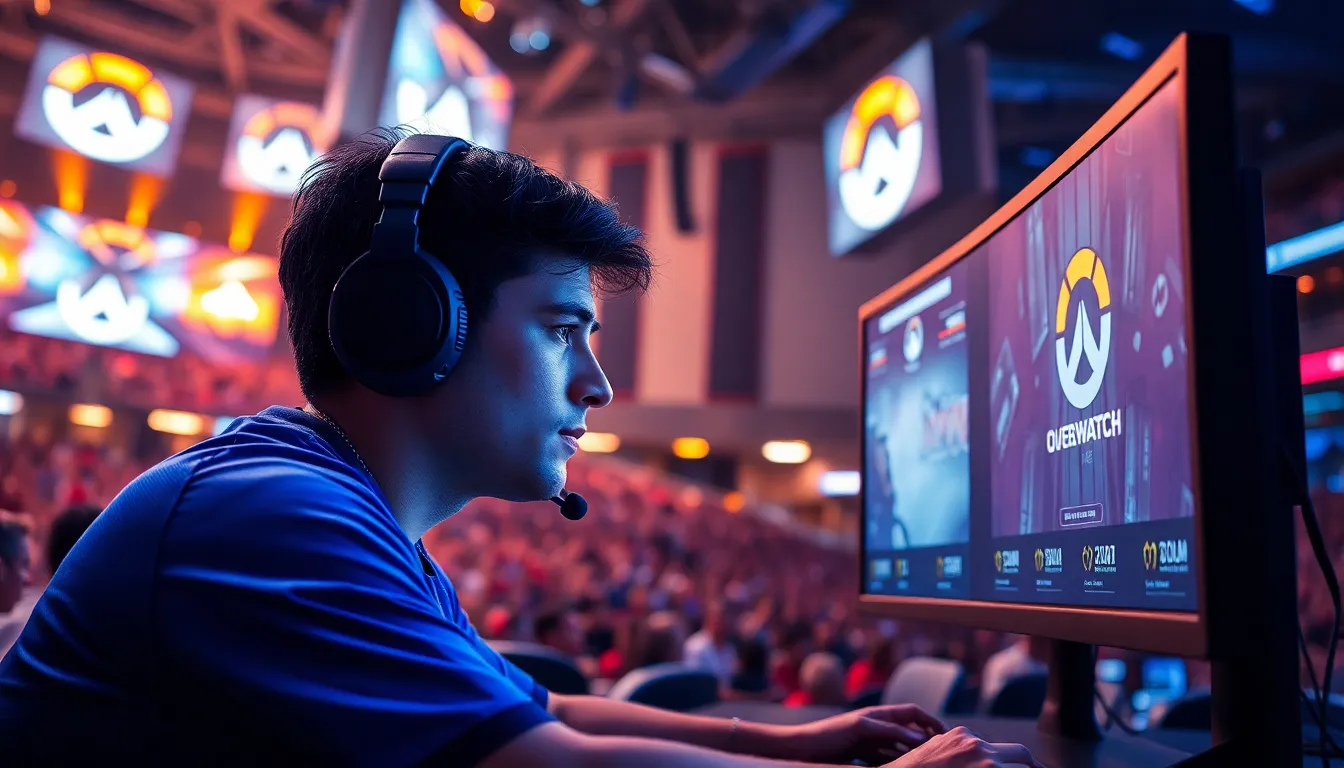
In the high-octane world of Overwatch tournaments, strategy isn’t just important—it’s the secret sauce that can turn a good team into a great one. Picture this: your team’s coordination is so tight that even a Swiss watch would be jealous. With the right tactics, players can outmaneuver opponents and secure that coveted victory.
But let’s face it, winging it won’t cut it. Understanding map dynamics, hero synergies, and team compositions can make the difference between glory and defeat. Whether you’re a seasoned pro or a fresh recruit, mastering these strategies will elevate gameplay and leave opponents scratching their heads. So grab your headset and get ready to dive into the world of Overwatch strategies that’ll have your team shouting, “Victory!” while your rivals wonder what just hit them.
Understanding Overwatch Tournament Strategy
Overwatch tournaments require a deep understanding of strategy. Coordinated tactics play a pivotal role in turning a team into champions.
Importance of Strategy in Competitive Play
Strategy significantly influences a team’s performance. Cohesive play, effective communication, and quick decision-making enhance competitiveness. Mastering map dynamics improves team positioning, while hero synergies create powerful combinations. Effective strategy allows teams to adapt during matches and exploit opponents’ weaknesses. Ultimately, players who prioritize strategic understanding increase their chances of victory.
Key Elements of Effective Strategies
Several key elements shape effective Overwatch strategies. Team composition determines strengths and weaknesses. Selecting heroes that complement each other maximizes team potential. Understanding map layouts influences strategic positioning and objective control. Communication among teammates fosters collaboration, ensuring alignment on tactics. Adaptability remains crucial; responding to opponents’ moves can shift the tide of battle. These elements combined create a solid foundation for success in Overwatch tournaments.
Types of Tournament Formats

Tournament formats play a vital role in shaping the competitive environment in Overwatch. Each format influences strategy, team dynamics, and player performance.
Single Elimination
Single elimination tournaments feature a straightforward structure. Teams face off in matches, with the losing team eliminated from the tournament. Winning continues until one team remains. This format emphasizes high stakes, as a single loss results in elimination. Teams often prioritize aggressive strategies, aiming for quick victories to advance. This setup tests not only skill but also mental resilience, as pressure mounts with each match.
Double Elimination
Double elimination tournaments provide a buffer for teams through a two-bracket system. Teams entered either the winners’ bracket or the losers’ bracket based on match outcomes. A loss sends teams to the losers’ bracket, allowing for one additional chance to remain in the competition. Strategy here often shifts, incorporating defensive plays to avoid elimination. Resilience and adaptation become essential due to the possibility of facing previously defeated teams again.
Round Robin
Round robin formats ensure that every team competes against all other teams in the pool. Each match’s outcome contributes to an overall ranking based on wins and losses. Strategies heavily focus on consistency and performance across multiple matches. Teams must prepare for various opponents, testing versatility in gameplay. The cumulative nature of round robin formats can lead to intricate tie-breaking scenarios, adding another layer of strategy to the tournament.
Team Composition and Roles
Team composition and roles play a pivotal role in Overwatch tournaments. Understanding how to optimize hero selections enhances effectiveness during matches.
Essential Hero Roles
Each hero occupies a unique role that contributes to team dynamics. Tanks absorb damage and create space, while damage dealers focus on eliminating opponents. Supports provide healing and utilities, enabling teammates to sustain fights. A balanced composition typically includes at least one tank, two damage dealers, and at least one support hero. Adjusting roles based on tournament maps and team strategies enhances adaptability and ensures each player’s contribution is maximized.
Synergy Between Heroes
Hero synergy creates opportunities for powerful combinations that elevate team performance. Coordinating abilities, such as pairing Zarya’s Graviton Surge with Hanzo’s Dragonstrike, can lead to devastating results. Often, teams benefit from selecting heroes that complement each other’s strengths and mitigate weaknesses. Grouping heroes like Reinhardt and Mei can establish a formidable frontline. Communicating effectively about hero selections and combinations fosters synergy, ensuring teams respond effectively to opponents’ tactics. Prioritizing synergy significantly improves overall gameplay and sets up successful strategies in tournament settings.
Map Control and Strategy
Map control significantly impacts a team’s effectiveness in Overwatch tournaments. Understanding map layouts and control points enhances a team’s strategic options.
Importance of Map Knowledge
Map knowledge allows players to anticipate enemy movements and capitalize on advantageous positions. Familiarity with terrain, choke points, and flanking routes fosters strategic planning. Each map presents unique dynamics that influence team composition and gameplay. Recognizing high ground and sightlines enables better coordination during engagements. Players who master the intricacies of a map improve their chances of outmaneuvering opponents and securing objectives.
Strategies for Different Maps
Strategies must adapt based on specific map features and objectives. For instance, control maps often require swift rotations and team cohesion to secure points. Escort maps emphasize protecting payloads while establishing defensible positions. Defense on hybrid maps necessitates adapting hero compositions to counter enemy strategies effectively. Each map’s unique characteristics dictate optimal team plays, whether it’s utilizing cover effectively, executing coordinated ultimates, or establishing flank routes. Adapting strategies to map dynamics can significantly enhance team performance and overall success in matches.
Communication and Teamwork
Effective communication fosters cohesion in Overwatch tournaments. Players can enhance their coordination through clear, concise calls. Additionally, establishing a method for information sharing helps teams react quickly during matches. Utilizing voice chat or in-game signals allows for real-time updates on enemy movements and strategy adjustments. Encouraging team members to speak up when they notice key details ensures everyone stays informed. Implementing a designated caller or shot-caller can streamline instructions, giving direction amidst chaos. Focusing on effective communication can significantly improve a team’s overall performance and adaptability.
Effective Communication Techniques
Active listening remains crucial for successful communication in Overwatch. Each player should pay attention to teammates’ callouts for enhanced situational awareness. Using specific terms aids in delivering concise messages regarding enemy positions or strategies. Establishing a signal system for emergencies can facilitate swift reactions. Striking a balance between sharing important information and avoiding cluttered communication leads to improved focus. Emphasizing clarity in callouts optimizes team responses during high-pressure situations. Aiming for direct and actionable information promotes efficiency and enhances teamwork during tournaments.
Building Team Synergy
Building team synergy relies on understanding and aligning each player’s strengths. Players should discuss roles ahead of matches to ensure everyone knows their responsibilities. Moreover, practicing together increases familiarity with team dynamics and hero interactions. Emphasizing complementary hero selections enhances the effectiveness of specific strategies. Adapting to team preferences can significantly boost overall gameplay effectiveness during matches. Regular reviews after practice sessions help identify areas for improvement and reinforce strong communication. Prioritizing synergy maximizes the potential for powerful combinations, ultimately elevating a team’s competitive edge in tournaments.
Analyzing Opponents
Analyzing opponents effectively influences tournament outcomes. Understanding their strategies and playstyles is crucial for success.
Scouting Enemy Strategies
Studying opponent gameplay provides valuable insights into their tactics. Observing previous matches reveals patterns in hero selections and team compositions. Identifying frequently used strategies enhances preparation and counterplay. Reviewing gameplay footage highlights specific strengths and weaknesses in positioning and communication. Scouting reports help define anticipated moves, allowing teams to create tailored strategies. Adopting this method leads to a more strategic approach during matches.
Adapting to Opponent Playstyles
Flexibility in gameplay proves essential when facing various opponents. Recognizing playstyle trends allows teams to adjust strategies mid-match. Some teams might favor aggressive tactics, requiring a shift to a more defensive posture. Others might execute coordinated pushes, necessitating swift rotations and reassessment of positioning. Structured communication keeps everyone informed during the adaptation process. Aligning strategies with opponent tendencies enhances overall team effectiveness and responsiveness.
Mastering tournament strategy in Overwatch is essential for any team aiming for success. By focusing on team composition communication and adaptability players can significantly enhance their performance. Understanding map dynamics and opponent strategies allows teams to make informed decisions during matches.
The right approach to different tournament formats can also shape gameplay tactics. Whether in single elimination or round robin formats teams must remain versatile and responsive to thrive. With a commitment to strategic depth and teamwork players can elevate their competitive edge and achieve their goals in the fast-paced world of Overwatch tournaments.