Table of Contents
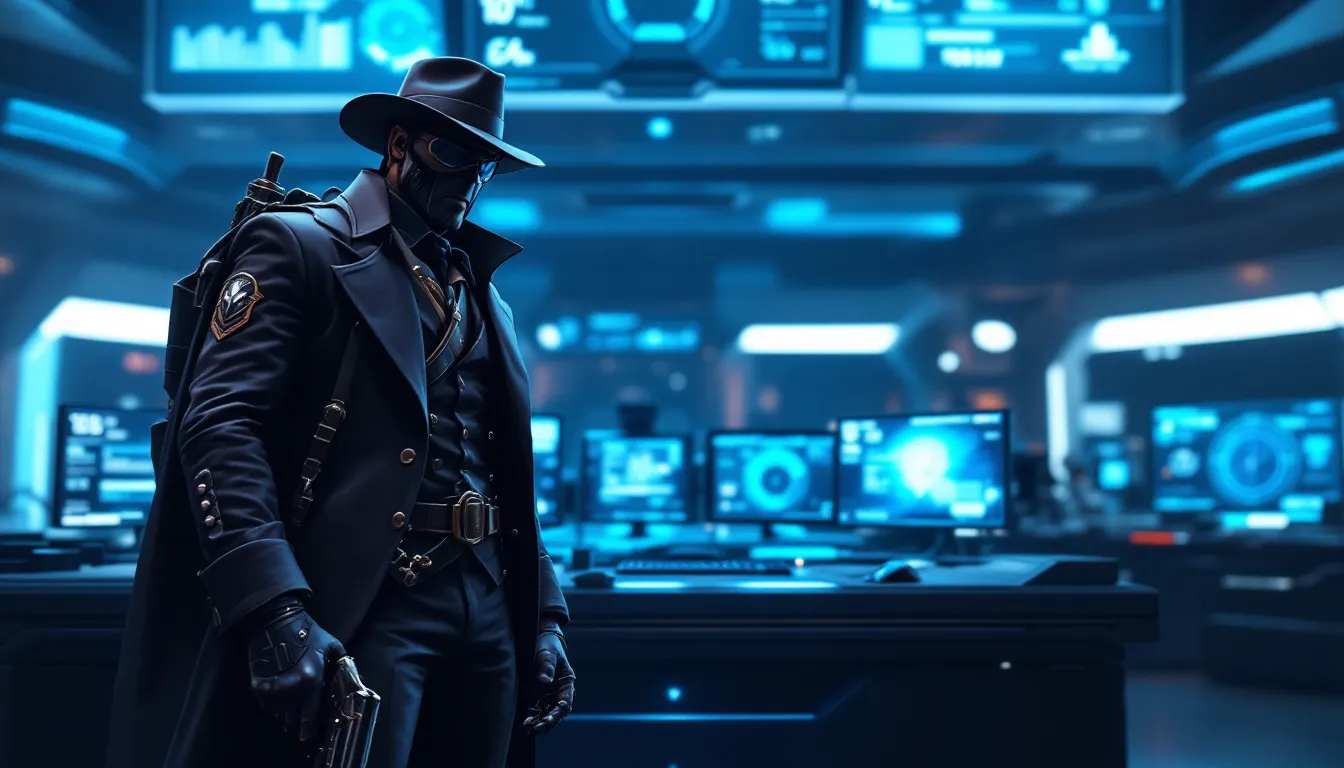
ToggleIf you’ve seen a sharp-dressed outlaw with a revolver cutting through enemy teams in Overwatch, you’ve met Jake. As a damage hero, Jake combines precision, mobility, and grit to turn fights in your favor. Whether you’re climbing competitive ranks or refining your casual play, understanding how to maximize Jake’s potential transforms him from a fun pick into a consistent carry hero. This guide breaks down everything you need to know about Jake Overwatch, from ability mechanics to positioning strategy, so you can dominate with him across all skill tiers.
Key Takeaways
- Jake Overwatch is a hitscan damage hero who excels at medium-to-long range by rewarding sustained accuracy, positioning discipline, and headshot mechanics rather than burst damage.
- Master Jake’s ability kit—Peacekeeper’s Dash for evasion, Deadeye Focus for dueling advantage, and Outlaw’s Verdict ultimate for high-impact eliminations—by timing them strategically around engagement opportunities.
- Control high-ground positions with multiple escape routes and maintain sightlines where enemies struggle to return fire; this is the foundation of Jake’s superior positioning advantage.
- Secure consistent climbs by avoiding common mistakes: don’t overextend for picks, maintain mobile rotations instead of static positions, and respect enemy cooldown timers and ability rotations.
- Leverage team coordination by positioning 10-15 meters from your main team in off-angles, calling out isolated targets, and letting supports peel for you when threatened by mobile flankers like Tracer or Sombra.
- Invest time in aim training, headshot drills, and crosshair placement before competitive sessions; mechanical consistency separates skilled Jake players from great ones across all rank tiers.
Who Is Jake in Overwatch?
Character Background and Lore
Jake is a gunslinger with a sharp wit and sharper aim. His story roots deep in the Overwatch universe, shaped by years navigating the wild frontier. He’s tough, confident, and carries the weight of someone who’s survived more firefights than most heroes could imagine. While his lore connects to broader Overwatch narratives, what matters most for gameplay is his personality, he’s built to be precise, quick, and unapologetically aggressive when opportunities arise.
His character design reflects his background: vintage revolver, weathered gear, and animations that scream confidence. The visual design makes playing him feel good, which isn’t accidental. Every reload, every stance, reinforces that you’re controlling a seasoned gunfighter.
Role and Playstyle Overview
Jake functions as a hitscan damage hero, meaning his weapon fires bullets that travel instantly (unlike projectile heroes such as Tracer or Widowmaker). He excels at medium to long range, punishing enemies who dare peek into his sightlines. Unlike burst-damage heroes, Jake rewards sustained accuracy and positioning discipline.
His playstyle emphasizes dueling isolated targets and maintaining distance from close-quarters engagements. He’s not a brawler. He’s a sharpshooter who wins by staying alive, landing headshots, and rotating to high-value angles where enemies struggle to challenge him. The Overwatch Shorts: Discover will give you deeper insight into his character and how he interacts with other heroes in canon.
Jake’s Abilities and Ultimate Explained
Primary Fire and Secondary Fire Mechanics
Primary Fire deals consistent damage per shot, each bullet hits for a fixed amount, with headshots dealing double damage. This is critical: Jake’s strength lies in accuracy. Missing shots is genuinely punishing because his magazine empties fast. You reload frequently, and every reload is a vulnerability window.
The Secondary Fire is a rapid-fire mode, holding the trigger delivers a barrage of bullets with reduced damage per shot but higher overall DPS (damage per second). This is useful for pressuring shields, spraying down grouped enemies, or filling gaps when precision isn’t possible. But, it burns ammo quickly and sacrifices accuracy, so use it deliberately.
Headshot mechanics matter. A headshot from primary fire can eliminate squishy targets (supports, some damage heroes) in two hits. Learning to reliably land headshots at medium range is the foundation of high-impact play. Aim training on custom games or in aim-focused arcade modes pays dividends.
Cooldown Abilities and Their Uses
Jake has two cooldown abilities that define his survivability and dueling potential:
Peacekeeper’s Dash (4-second cooldown) is your escape tool. It propels you sideways or backward with brief invulnerability during the dash animation. The invulnerability window is tight, timing it to dodge critical abilities like sleep darts or hooks requires practice. Use it reactively when threatened or proactively to reposition before enemies establish sightlines on you.
Deadeye Focus (8-second cooldown) is a self-buff ability. When activated, Jake gains temporary increased accuracy (tighter weapon spread) and slight movement speed, making him more effective in duels. This ability shines when you’re already in a favorable position and expect to trade shots. Pop it before engaging an isolated target you’re confident you can duel.
Ability management is about timing. Don’t waste your dash defensively if no real threat exists. Similarly, activate Deadeye Focus when you have a target in mind, not randomly hoping for a fight.
Ultimate Ability Strategy and Timing
Jake’s Outlaw’s Verdict ultimate charges as you deal damage. When activated, he gains a powerful single-shot projectile that deals massive damage on impact, enough to eliminate most heroes in one hit if aimed precisely. The projectile has a brief travel time and a moderate cooldown between shots.
Ultimate timing separates good Jake players from great ones. The key is using it when you have a guaranteed target, not when enemies are playing cover. Optimal scenarios include:
- Eliminating a grouped enemy (especially supports or squishy damage heroes)
- Punishing a predictable rotation or flank route
- Securing a pick on an isolated target before team fights
- Pressuring a healer who’s standing too exposed
Don’t ult into a defensive formation where enemies have cover. The projectile is visible mid-flight, giving enemies time to react. Instead, wait for moments when your target lacks protection. Overwatch Gameplay: Unleash provides strategies for ultimate economy and team fight orchestration.
Best Positioning and Map Control Tips
High-Ground Advantage and Sightlines
High ground is Jake’s kingdom. When you control elevated positions, enemies must look up to engage you, an uncomfortable angle that reduces their effectiveness. Maps with natural high-ground options (like the perch on Hanamura’s first point) let you zone entire areas from elevated safety.
Choose positions where you have multiple escape routes. A high-ground position is only valuable if you can exit it before enemies collapse on you. Isolated high-ground with one exit route is a trap, you’ll get surrounded and killed. Instead, find perches that connect to nearby cover or alternate sightlines where you can reposition laterally.
Sightlines matter obsessively. Your goal is controlling lines of sight where enemies can’t effectively return fire. Cover isn’t just about blocking bullets: it’s about removing enemy sightlines while maintaining your own. Play peek angles where you can quickly re-enter cover after each shot. This forces enemies to guess where you’ll appear next.
Avoid overextending for “better” angles. The angle is only good if you survive it. Many Jake deaths happen when players chase a slightly better position and tunnel vision on their targets. Stay aware of flanking routes. Supports and mobile damage heroes love hunting distant damage heroes.
Team Coordination and Spacing
Jake thrives on team synergy. Coordinate with your team about where you’re positioning so they can play around you. If you’re holding far back, your team needs to understand they’re playing a longer fight. If you’re grouped closer, your teammates adjust accordingly.
Spacing is critical. Position far enough from your team to maintain independence, if an enemy targets you, your supports aren’t forced to abandon the main fight. But, stay close enough that your team can peel for you (support abilities can reach you) and you can help them during critical team fights. Typical positioning places you 10-15 meters from the main team, in a flanking angle or off-angle where you can dish damage safely.
Communicate vulnerable teammates before they become liabilities. If an enemy support is out of position or isolated, call it out. Your team can pressure the main fight while you secure a kill on the isolated target. These picks, eliminating one enemy before team fights initiate, swing momentum drastically.
Don’t position directly behind your shields or sitting on your main tank. That’s territory for close-range damage or supports. You need angles that let you capitalize on enemy positioning mistakes without becoming an easy target for counterplay.
Matchups and Counter Strategies
Heroes Jake Counters Effectively
Jake dominates several matchups due to his hitscan accuracy and range:
Widowmaker – If you can outplay her aim-wise, you win. Widowmaker has no close-range defense, so playing around cover and not feeding her free shots is key. Don’t duel her at extreme range where scope advantage matters: force medium-range engagements where Jake’s faster fire rate and mobility matter.
Echo – She’s vulnerable during her beam attack phase and offers a large hitbox. Maintain distance, peek carefully, and capitalize on her vulnerability windows. If she ults, reposition immediately: her ultimate is oppressive, but staying mobile and out of position makes her less effective.
Mercy – If you catch her alone, she’s a free kill. She has no defensive abilities except flight. The challenge is catching her, which requires positioning where she can’t escape easily. Duel her when she’s already committed to a position.
Genji – Even though his mobility, Genji lacks range and has difficulty pressuring a Jake playing defensively. Stay at distance, respect his dash but don’t fear it, and use your higher damage output to force him to retreat.
Ashe – Both are hitscan heroes with similar effective ranges, but Jake’s faster fire rate and tighter spread in duels gives him an advantage at closer ranges. Medium-range duels favor Jake: extreme long-range slightly favors Ashe.
Against these heroes, the common thread is maintaining effective range, landing shots consistently, and capitalizing on positioning mistakes.
Difficult Matchups and How to Survive Them
Some matchups feel brutal. Here’s how to navigate them:
Tracer – She’s fast, close-range, and evasive. Your answer: don’t let her get close. Play around cover, use your dash defensively, and lean on teammates for peels. If she engages you directly, activate Deadeye Focus and try to snap her. If that fails, dash away and regroup. Accept that you can’t always solo-duel Tracer and instead position where your team can help.
Sombra – Invisibility is your nightmare. She’ll flank, translocate behind you, and pressure relentlessly. Solution: maintain awareness of her spawn routes and expect her flanks. Play less statically, rotate more, stay mobile, and position where teammates have visibility of your surroundings. Call out her location when you spot her.
Roadhog – His hook is instant death if landed. Never sit in positions where he has clear hook angles. Play behind cover that blocks hooks, stay mobile, and keep distance. If he approaches, dash away. Don’t challenge him in close quarters: you’ll lose.
Reinhardt – A charging Rein is terrifying. Play angles he can’t easily reach. Don’t get caught between him and a wall. Help your team burst him down from range: don’t try to out-duel him.
The pattern here: against matchups where you’re vulnerable, your priorities shift from solo-dueling to surviving, maintaining distance, and letting your team assist. Accept that you won’t win every 1v1 and adjust your positioning accordingly. ProSettings provides sensitivity and crosshair settings from professional players that can help you refine aim against these challenging matchups.
Advanced Gameplay Techniques for Climbing Rank
Aim and Accuracy Drills
Top Jake players spend serious time on aim training. It’s not flashy, but it’s the foundation. Custom games with bots set to high difficulty or using aim-trainer maps from the workshop teach you spray control, tracking, and flick consistency.
Headshot practice is non-negotiable. Spend 10 minutes before competitive sessions practicing headshots on stationary and moving targets. Learn the distances where headshots become consistent, typically Jake’s medium range. Beyond that range, missing headshots happens more often: closer than that, you should be using secondary fire or planning escapes.
Tracking, following moving targets smoothly, is underrated. Many Jake deaths happen because players aim where enemies are, not where they’re moving. Predict enemy movement: strafe dodges, ability usage, and rotation patterns. Anticipate and prefire positions where enemies will appear.
Crosshair placement matters enormously. Your crosshair should rest at head height in common positions. If an enemy peeks a corner, your crosshair should already be at head level where their head will be. This single habit cuts your reaction time and increases hit rates massively.
Movement and Escape Routes
Being alive is better than being dead. This sounds obvious, but many Jake players prioritize damage and ignore self-preservation.
Pre-positioning escapes means choosing locations with nearby cover or escape routes before engagement happens. Never take a fight in open space. Always have a plan: “If enemies come from that direction, I’ll dash to cover here.” This pre-planning prevents panicked decisions when danger arrives.
Strafing and peeking are technical skills. Small strafes left and right while peeking corners make you harder to hit. Peek, shoot, retreat behind cover, don’t stand in sightlines. The best duelers are frustrating to fight because enemies never get comfortable shots.
Ability cooldown awareness is crucial. Know your dash cooldown at all times. If it’s down, you’re more vulnerable. Play safer, retreat earlier, and don’t challenge fights where you need your dash to escape. Once the cooldown finishes, you can resume aggression.
Rotation timing prevents you from getting caught in unfavorable positions. Watch the clock, understand objective timers, and move with your team before the fight breaks out. Don’t position aggressively right as the enemy team is likely to engage. Rotate early, set up positions, and wait for enemies to come to you.
Economy and Ability Management
Ultimate economy, understanding when you and your team have ultimate advantages, wins rounds. Track your team’s ultimate status and enemy ultimates. Engaging when you have a numbers advantage (more ultimates available) increases win probability.
Manage your ultimate carefully. The first ultimate of a fight is powerful only if it secures a kill. Using your ultimate for a duel when both teams are even strength wastes it. Instead, save it for moments where an elimination swings the fight (like sniping an isolated healer).
Ability budgeting applies to cooldowns too. If your dash is on cooldown, don’t play aggressively. If Deadeye Focus is available, know that you can engage a duel with slightly improved odds. Track these timers and let them influence positioning decisions.
Playing ahead and behind means adjusting based on the game state. When your team is winning a fight, play more aggressively, secure kills, and expand control. When your team is losing, play defensively, stay alive, and wait for your team to reset or get back. Many lower-rank players do the opposite, playing recklessly when losing and passively when winning.
The Loadout provides detailed FPS guides covering sensitivity settings, mouse pad recommendations, and competitive loadout theory that applies directly to refining your Jake gameplay.
Common Mistakes to Avoid as Jake
Even experienced Jake players fall into predictable traps. Recognizing and avoiding these mistakes accelerates your climb.
Overextending for picks is the number one death cause. You see an isolated enemy and tunnel vision on the kill, pushing further forward without checking for support rotations or flankers. By the time you realize the enemy team is rotating to help, you’re surrounded. The rule: picks are only valuable if you survive getting them. If securing a pick requires risking your life, it’s usually not worth it, especially in ranked where you’re one player on a team.
Playing statically makes you predictable. Camp the same angle too long and enemies learn your position, coordinate to flank you, or focus-fire you. Rotate between angles, stay mobile, and keep enemies guessing where you’ll appear next. Static positioning is a sniper’s friend, not a duelist’s.
Ignoring your cooldown timers leaves you vulnerable. You dash away from danger, then immediately engage the next fight as if your dash is still available. Suddenly a Genji dives you and you can’t escape. Check your ability status frequently. Play differently when cooldowns are down.
Positioning too far back seems safe but removes you from team fights. If you’re so distant that you can’t help your team when they’re pressured, you’re hurting your own win rate. Position close enough to contribute: far enough to stay safe. That balance is the sweet spot.
Chasing kills past your team separates you from support coverage. Healers can’t help you if you’ve sprinted 30 meters away chasing a low-health enemy. Let your team peel, reset, and group up. One kill isn’t worth dying for, especially if that death flips the fight.
Wasting ultimate on low-value targets is devastating in close games. Your ultimate is a powerful tool. Using it to secure a kill on a low-priority enemy (perhaps a low-impact damage hero when the enemy healer is full health) squanders that resource. Save it for high-impact eliminations.
Panic ult happens when you’re stressed and spam your ultimate hoping it lands. Calm down, breathe, and only ult when you have a clear target and positioning to land it. Wasted ultimates in 1v1 duels against other damage heroes are momentum-killers. Overwatch OverwatchLeague: The Future showcases professional play where pros minimize these mistakes, watching pro Jake players is one of the fastest ways to refine your own game sense.
Not respecting enemy abilities causes preventable deaths. You push forward without considering that a Roadhog could be waiting around the corner. You peek without worrying about enemy hitscan. You ignore Tracer rotations. Part of mastery is understanding enemy abilities and actively playing around them rather than pretending they don’t exist.
Fix these habits and you’ll find yourself climbing steadily. Most ranked players lose games not because they lack aim, but because they make these macro mistakes repeatedly.
Conclusion
Mastering Jake Overwatch requires balancing precision, positioning, and game sense. His kit rewards accuracy and positioning discipline, there are no shortcuts to high-impact play. You can’t spray-and-pray your way to success: you have to land shots, choose angles carefully, and survive long enough for your team to win fights.
Start with the fundamentals: aim training, learning your effective ranges, and understanding positioning principles. Gradually layer in advanced concepts like ultimate economy, cooldown tracking, and matchup-specific strategies. Most importantly, watch your own replays. Identify patterns in your deaths. Are you overextending? Positioning predictably? Missing clutch shots? Honest self-analysis beats any guide.
Jake is a rewarding hero to invest time into. His playstyle feels skill-expressive, your wins feel earned, not lucky. Climb through dedication, stay humble about what you can improve, and enjoy the journey. The outlaw mentality, calculated risk, precise execution, and staying alive, translates directly from Overwatch to real competitive success. Overwatch Game Reviews: Discover offers additional strategy breakdowns for other heroes and playstyles, helping you understand the broader competitive landscape.
Now get in there and show the enemy team what a seasoned gunslinger looks like.