Table of Contents
ToggleOverwatch Workshop Codes have become a cornerstone of the Overwatch community since their introduction, offering players an unprecedented level of customization and creative freedom. Whether you’re grinding aim training drills, practicing team coordination, or just looking to have some ridiculous fun with friends, these codes unlock possibilities far beyond what the standard game modes provide. In 2026, the Workshop remains one of the most vibrant ecosystems in Overwatch, with thousands of community-created game modes available at the click of a button. Understanding how to access, use, and find the best codes can dramatically shift how you experience the game, transforming casual play sessions into targeted skill development or pure entertainment. This guide walks you through everything you need to know about Overwatch Workshop Codes, from the basics of importing your first code to discovering hidden gems tailored to your playstyle.
Key Takeaways
- Overwatch Workshop Codes unlock customization and creative freedom through alphanumeric strings that reconstruct custom game configurations, democratizing game creation without requiring programming knowledge.
- Access Workshop Codes by navigating to Custom Game in Overwatch 2, finding the Workshop Code input field in settings, and pasting up to three codes simultaneously across all platforms including PC, PlayStation 5, Xbox Series X/S, and Nintendo Switch.
- Top Workshop Code categories serve specific playstyles: aim training modes like Aim Heroes for mechanical skill, team coordination codes like Paintball 5v5 for competitive preparation, and fun modes like Reinhardt Sumo for entertainment and decompression.
- Discover quality Workshop Codes through Reddit communities (r/Overwatch, hero-specific subreddits), Discord servers, YouTube/Twitch creators, and aggregator websites, while bookmarking your favorites immediately to avoid losing track.
- Avoid common mistakes by verifying code maintenance dates, testing codes individually before stacking multiple versions, checking for difficulty variants, and understanding that Workshop Codes function exclusively in custom games, not ranked competitive matches.
- Creating your own Workshop Codes requires no programming degree—use the visual Workshop Editor in custom games to chain logic blocks and actions, then export and share your code with the community for feedback and iteration.
What Are Overwatch Workshop Codes and Why They Matter
Overwatch Workshop Codes are alphanumeric strings that represent custom game configurations created using the Workshop, Blizzard’s in-game scripting tool that allows players to build entirely new game modes, mechanics, and rule modifications. Think of them as blueprints: when you input a code, it reconstructs someone else’s creative vision into your custom game lobby.
These codes matter for several reasons. First, they democratize game creation. You don’t need programming knowledge: hundreds of creators craft everything from Aim Heroes (which transforms Overwatch into a pure aim trainer) to Reinhardt Sumo (physics-based chaos where shields are your weapons). Second, they’re invaluable for skill development. Professional players and coaches use Workshop codes to isolate specific scenarios, dueling mechanics, positioning drills, ability combo timing, in ways the base game can’t replicate. Third, the Workshop keeps Overwatch fresh between major patches. While you wait for Season updates, the community fills the gap with experimental modes that can run for months before becoming stale.
By 2026, the Workshop ecosystem has matured significantly. The code system is stable, creator tools are more powerful, and discovery, though still imperfect, is far better than in the early years. Whether you’re a 3500 SR support main or a casual player who fires up Overwatch once a month, there’s a Workshop code that directly serves your interests.
Getting Started: How to Access and Import Workshop Codes
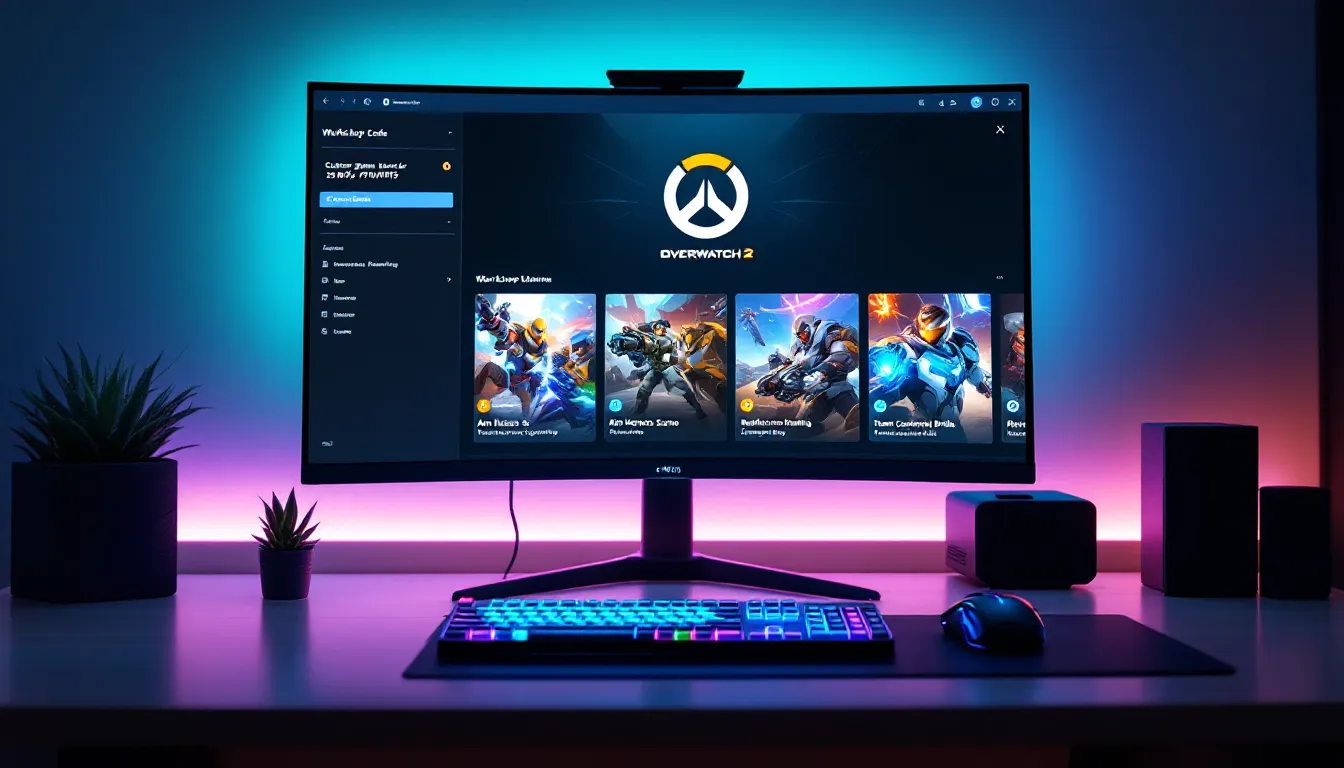
Accessing Workshop Codes is straightforward, but new players sometimes miss the menu buried within custom game settings. Here’s the path: launch Overwatch 2, navigate to Custom Game, select your map, then look for the Workshop Code input field. You’ll find it in the game settings panel on the left side. If it’s not immediately visible, scroll down, the field is there.
Once you locate it, you’re ready to input. The system accepts codes in batches: you can paste up to three codes into a single custom game session. This flexibility lets you stack complementary modes or test variations without restarting.
One critical point: codes are platform-agnostic for importing. Whether you’re on PC (Windows), PlayStation 5, Xbox Series X/S, or Nintendo Switch, the same code works universally. That said, some codes exploit mechanics that perform differently on certain platforms due to frame rate or input lag variations, competitive aim trainers, for example, might feel slightly different on console versus PC, but they’re still functional.
A Step-By-Step Guide to Inputting Codes
- Launch Overwatch 2 and ensure you’re logged into Battle.net.
- Click “Practice” or “Custom Game” from the main menu.
- Select Your Map (most codes work on any map, though some specify particular ones).
- Find the “Workshop Code” field in the left-side settings menu. It’s below the game rule options.
- Paste or type the alphanumeric code (e.g., “3N8V7” or longer sequences like “6K8HP-FMJQX-9VN5K”).
- Press Enter or click “Load”, the game will apply the custom rules within seconds.
- Adjust additional settings (team size, health packs, hero bans, etc.) if the code allows it: some codes lock certain settings to preserve intended balance.
- Start the game and test. If something feels off, double-check the code spelling or visit the code creator’s social media for patch notes.
If the code doesn’t load, verify it’s correct (copy-paste from a trusted source, not retyped from memory). Occasionally, outdated codes break when Overwatch patches the game, especially if the creator relied on mechanics that Blizzard changed. Most maintained codes update automatically, but abandoned projects may silently fail.
Top Overwatch Workshop Codes for Every Playstyle
With thousands of Workshop codes available, narrowing down which ones to try can feel overwhelming. The codes below represent categories tailored to specific goals: aim refinement, competitive preparation, and pure fun. All of these remain active and well-maintained as of early 2026.
Aim Training and Deathmatch Codes
Aim Trainer codes isolate the raw mechanical skill component of Overwatch. These modes strip away abilities, ultimates, or cooldown management, focusing entirely on tracking, flick accuracy, and positioning under duress.
- Aim Heroes (created by n4ked and maintained by the community): This is the closest Overwatch gets to Aim Lab or KovakFPS. Players spawn in a small arena with unlimited ammo hitscan weapons (typically McCree or Widowmaker) and face respawning bots or other players. No abilities, no ultimates, pure aim. It’s the gold standard for mechanical practice. Many esports coaches recommend 20–30 minutes daily on Aim Heroes before scrimming or competitive matches.
- 1v1 Deathmatch Dueling: Variants that pit you against a single opponent in a confined space (often a box or small room) with specific hero restrictions. These teach positioning under pressure and punish hesitation. Pro Tracer players, for instance, use these to sharpen their brawl spacing.
- Headshot Only: Eliminates body shots, rewarding precise aim. Playing on reduced damage settings keeps games from ending in 10 seconds, making it viable for extended sessions.
Recent meta shifts (particularly the 2025 balance patch that reduced hitscan damage falloff) have made some classic aim trainers feel slightly less demanding at range, but they’re still essential for baseline mechanics.
Team Coordination and Competitive Practice Codes
These modes simulate competitive scenarios: staggered team fights, economy management, objective pressure, or high-leverage standoffs. They’re invaluable if you’re grinding SR or preparing for organized play.
- Paintball 5v5 or 6v6: Teammates and enemies are clearly color-coded (rather than relying on enemy silhouettes), reducing visual clutter and letting players focus purely on positioning and timing. Paintball removes the ability to “hide” behind the default game’s visual information: it forces cleaner play.
- Tracer Duel Simulator: Scenarios where you face off against a Tracer AI with varying difficulty levels, practicing blink spacing, bait-and-react patterns, and melee timing. Essential for Tracer mains working on matchups against mirror opponents.
- Zen Practice Mode: Custom code that spawns infinitely respawning enemies at various ranges, specifically designed to help Zenyatta players practice their Discord Orb placement and footsie dance against duels. High-level Zen players can’t skip aim fundamentals.
- Reinhardt Coaching Simulator: Teaches hammer swing timing, charge positioning, and pin-kill setups against a responsive dummy. Many coaches use simplified variants of this to onboard new Reinhardt players.
These codes evolve as the meta shifts. After the Season 9 rework that modified several hero kits, several popular competitive practice codes received updates to reflect new ability durations and cooldowns. Always check the code creator’s recent patch notes before grinding hours on outdated versions.
Casual and Fun Codes for Entertainment
Not every session is about optimization. These codes prioritize laughter and creative chaos.
- Reinhardt Sumo: Players spawn as Reinhardt with reduced health, increased health pack spawn rates, and exaggerated knockback physics. The goal? Push everyone else off the map. It’s pure physics-based gameplay with no aim required. Friendship-ruining levels of fun.
- Junkrat Explosion Simulator: Junkrat’s grenades explode on contact, dealing massive splash damage and knockback. Environmental kills become hilariously easy, and the mode devolves into launch parties. Not tactical, but perfect for decompression after a loss streak.
- Pharah Rocket Racing: Low-gravity, infinite ammo, no cooldowns. Players fly around a large arena attempting to hit each other with rockets. Less about competitive skill, more about map awareness and rocket dodging instincts. Great for playing with friends who aren’t grinding SR.
- Winston Bubble Dunk: Winston’s bubble becomes a basketball hoop. Players throw projectiles through it for points. Absurdist fun that appeals to creative thinkers rather than competitive grinders.
These fun codes often have the longest lifespans because they prioritize enjoyment over meta sensitivity. A balance patch that nerfs Widow’s grapple doesn’t render Reinhardt Sumo obsolete: Winston Bubble Dunk functions identically pre and post-patch.
Where to Find the Best Workshop Codes
Discovery remains the Workshop’s weak point. Blizzard never implemented a robust in-game code library or rating system, so finding quality codes relies on community platforms.
Reddit’s r/Overwatch and r/OverwatchUniversity are reliable starting points. Subreddits dedicated to specific heroes (r/Tracer, r/ZenyattaMain, etc.) often have pinned Workshop code threads with community favorites. Posts from experienced players carry implicit credibility: if a pro coach recommends a code, thousands of gamers vet it within days.
Discord servers dedicated to Overwatch (particularly competitive servers and coaching communities) maintain curated code lists. The Overwatch Coaching Discord and region-specific competitive servers often have a dedicated channel listing high-quality training codes with brief descriptions. These communities tend to remove dead codes quickly, so lists stay relatively fresh.
Creator platforms like YouTube and Twitch are goldmines if you know where to look. Content creators frequently share codes in video descriptions or stream titles. The Loadout’s Overwatch guides often reference popular codes alongside gameplay breakdowns, giving you context for why a specific mode matters. Similarly, Game8’s Overwatch walkthroughs sometimes feature codes relevant to specific hero guides, blending mechanical training with general strategy.
Workshop code aggregator websites (though unofficial) have emerged over the years. These sites index codes by category, popularity, and last-update date. Be cautious: always verify a code actually works before investing 30 minutes. Outdated sites sometimes host codes broken by patches from 12 months prior.
Direct creator contact works if you find someone whose playstyle resonates with you. Top creators like “n4ked” (Aim Heroes) or “Lone” (various training modes) frequently update their codes and sometimes take custom requests. Following their Twitter/X or Discord is an easy way to stay current when they release new versions.
One pro tip: if you find a code you love, bookmark or screenshot it immediately. Nothing’s worse than remembering “there was this insane Lucio rollouts trainer” but having zero idea where you found it or who created it.
Creating Your Own Workshop Codes: A Beginner’s Overview
Building a Workshop code from scratch isn’t for everyone, but the basics are surprisingly approachable. Blizzard designed the Workshop with accessibility in mind: you don’t need a programming degree, though logical thinking helps.
Access the Workshop Editor by launching a Custom Game, selecting a map, then clicking “Edit Scripts” in the bottom-left corner. You’ll enter a visual interface where you chain logic blocks, conditions, actions, and variables, into sequences. Want to spawn bots on a timer? There’s a block for that. Want to double players’ movement speed when they pick up health packs? Chain a “Player Picked Up Health Pack” trigger into a “Set Max Speed” action.
The syntax uses Overwatch-specific terminology: events (things that happen), conditions (checks that must be true), and actions (things that execute). Learning the naming convention takes an afternoon: understanding when to use nested loops versus sequential actions takes weeks. That’s the barrier, not the fundamental concept.
Popular beginner projects:
- Custom Deathmatch: Spawn specific heroes with modified health pools and no ultimates. Useful for focused practice.
- Ability Drill: Trigger events when a specific hero lands an ability (e.g., “Widowmaker Scopes”), then apply a buff. Teaches ability-usage patterns through positive reinforcement.
- Map-Specific Modifications: Change where health packs spawn, add walls, or modify the objective to test how teams adapt.
Sharing your code: Once you’ve built something you’re proud of, click “Export Code” and the game generates a shareable alphanumeric string. Post it to Reddit, Discord, or Twitter with a brief description, and the community will stress-test it for you. Expect feedback: most creators iterate multiple times before settling on a final version.
Twinfinite’s Overwatch guides occasionally feature creator spotlights that walk through simplified Workshop code logic, making the process more demystified. If you’re serious about creating, studying existing popular codes (many creators publish their logic publicly) teaches you patterns and best practices.
The barrier to entry is low. The skill ceiling, creating a code that’s intuitive, balanced, and fun, is steep. But thousands of creators have proven it’s learnable.
Common Mistakes to Avoid When Using Workshop Codes
Even experienced players trip up when diving into Workshop codes. Here are the pitfalls to sidestep.
Mistaking outdated codes for broken ones: A code that worked perfectly in Season 7 might fail silently in Season 10 if the creator abandoned it after a major hero rework. Before blaming the code, check the creator’s last update date. If it’s been 6+ months and the game has had 3+ patches, the code likely needs revision. Hunt down a maintained alternative rather than wasting time troubleshooting.
Stacking too many codes at once: The system lets you input three codes simultaneously, but conflicts can occur. A code that modifies hero speed plus a code that modifies cooldowns plus a code that changes damage output might interact in unexpected ways. If something feels broken, test each code individually to isolate the culprit.
Ignoring preset variations: Many popular codes (especially aim trainers) come in multiple versions, “Hard,” “Medium,” “Easy,” or “McCree-only” versus “All Hitscan.” Many players copy the base code without realizing variants exist. Spend 30 seconds reading the creator’s notes: the “Medium” difficulty might be exactly what you need.
Not adjusting team size for solo practice: Some codes are designed for 6v6, others for 1v1. If you load a team-based code as a solo player facing 5 bots, the difficulty scales awkwardly. Check whether the code requires a specific player count before loading.
Expecting cross-platform performance parity: A precision aim trainer feels slightly different on PC (144+ fps potential) versus console (60 fps locked). This isn’t a code defect: it’s hardware reality. Aim trainers still work on console, but grind them expecting that mechanical skill transfers, not pixel-perfect consistency across platforms.
Assuming meta fixes invalidate training: When the meta shifts, say, Widow gets nerfed or Zen gets a rework, some players abandon training codes thinking they’re no longer relevant. In reality, fundamentals (aim, positioning, ability timing) remain constant. A Widow aim trainer is valuable whether she’s S-tier or niche.
Using codes in actual competitive matches: Workshop codes are for custom games only. You cannot deploy them in Competitive or Unranked play. This seems obvious, but new players sometimes expect their favorite code to be available during ranked sessions. Custom games are the sandbox: ranked is the real match.
Conclusion
Overwatch Workshop Codes represent one of gaming’s most underrated features, a direct line from players’ creative ideas to thousands of others’ custom games. Whether you’re chasing SR, grinding mechanical fundamentals, or just need to decompress with friends, there’s a code that fits. The ecosystem in 2026 is mature, stable, and more discoverable than ever, though it still rewards initiative. Finding your perfect code takes exploration, but once you do, the impact on your gameplay, or your fun, is immediate and measurable. The next time you boot up Overwatch, don’t accept the base game as your only option. Jump into the Workshop ecosystem, test a few codes, and let the community’s creativity reshape how you play.